Usm SoLLaT Student’S Unforgettable Experience In 6-Week Exchange Programme In Japan
USM PENANG, 7 July 2026 – The Japan Foundation Japanese-Language Institute in Kansai, Japan recently hosted a six-week student exchange programme known as the Japanese-Language Programme for Counterpart Japanese Learners of the NIHONGO Partners (University Students) Spring Programme 2026.
A student from Universiti Sains Malaysia (USM) was among the participants of this prestigious programme.
Valerie Natalie Jakson, an undergraduate student pursuing English for Professionals (EfP) at the USM School of Languages, Literacies and Translation (SoLLaT), is currently studying Japanese as a minor subject under the guidance of Language Teacher, Zam Zam Iryani Che Zainon.
From 12 May until 24 June 2026, Valerie had the opportunity to join the programme, which aimed to enhance participants’ Japanese language proficiency for effective communication and task completion, while deepening their understanding of Japanese society and culture in comparison with their own.
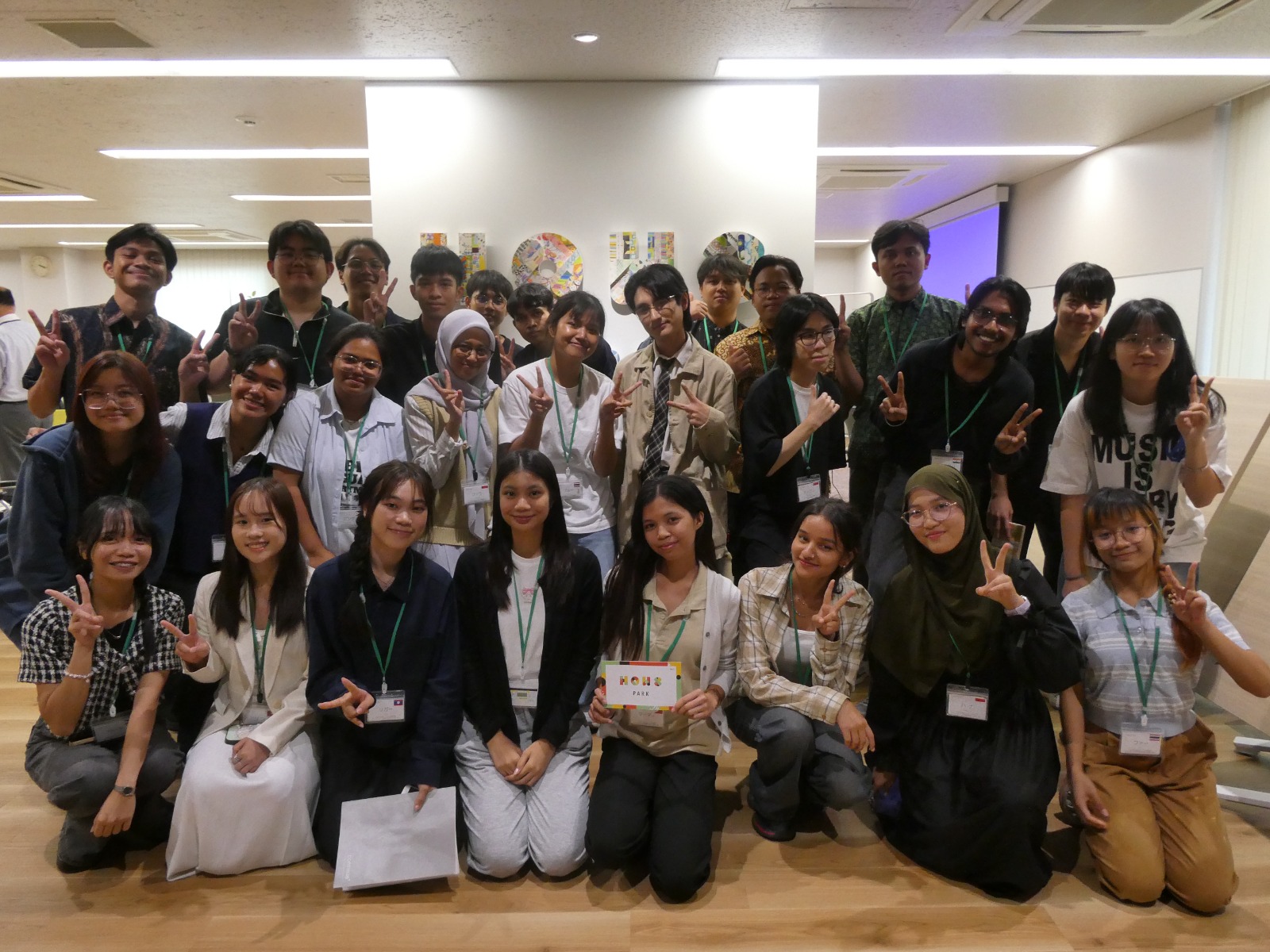
The programme brought together 27 participants from eight countries: Malaysia, China, Vietnam, Singapore, Laos, India, Thailand, and Indonesia.

Through this initiative, participants were encouraged to acquire qualities essential for thriving in a global society, ultimately contributing to both Japanese society and the international community.
The programme commenced with an officiating ceremony, where participants were welcomed by the Institute’s Executive Director, Majima Junko, and introduced to staff and mentors.
Valerie and her peers then engaged in an ice-breaking session to foster connections, share goals, and spark curiosity and motivation.
During weekends, participants explored Osaka in groups through a self-planned “Osaka Orienting” experience.
Formal classes followed, with themes such as Food, Sightseeing, and Diversity.
These sessions provided insights into Japanese perspectives on these topics, while linking discussions to developments in participants’ home countries through the Sustainable Development Goals (SDGs).
Beyond classroom learning, Valerie and her peers engaged with the Japanese community, including a visit to a local primary school where they presented about their home countries.
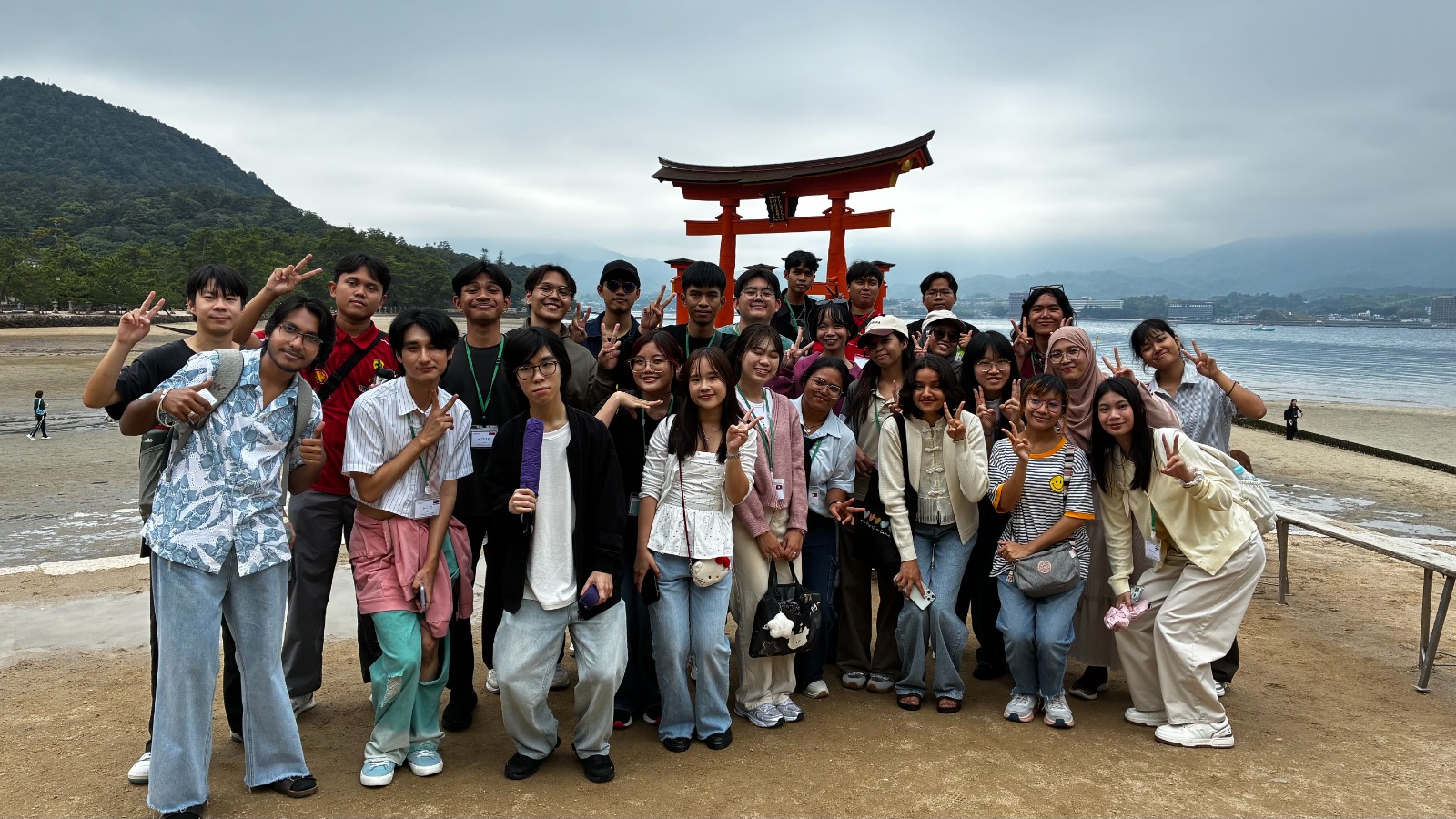
They also experienced 給食 Kyushoku (balanced Japanese school lunch), and embarked on a three-day, two-night trip to Hiroshima and Kobe, learning about Japanese history, including the Hiroshima bombing, and visiting shrines.
Participants were further exposed to おもてなし Omotenashi (Japanese selfless hospitality) through a diversity-friendly company employing staff from varied backgrounds and catering to different disabilities.
A home visit to host families offered them a glimpse into authentic Japanese daily life.
Cultural immersion continued with activities such as 華道 Kadō (Japanese flower arrangement) and 書道 Shodō (Japanese calligraphy), guided by experienced teachers.
In the fifth week, participants prepared for their final presentations in groups of three to four, selecting topics inspired by the programme’s main themes.
Valerie’s group presented on “Touristship,” focusing on thoughtful travel as a solution to overtourism in Japan. Their success was attributed to mentor guidance, interviewee contributions, and active teamwork.
The final week included one-to-one sessions with mentors, where participants revisited their goals and reflected on their progress.
Valerie described the experience as deeply motivating, strengthening her commitment to continue studying Japanese and contributing to the global community through sustainable efforts.
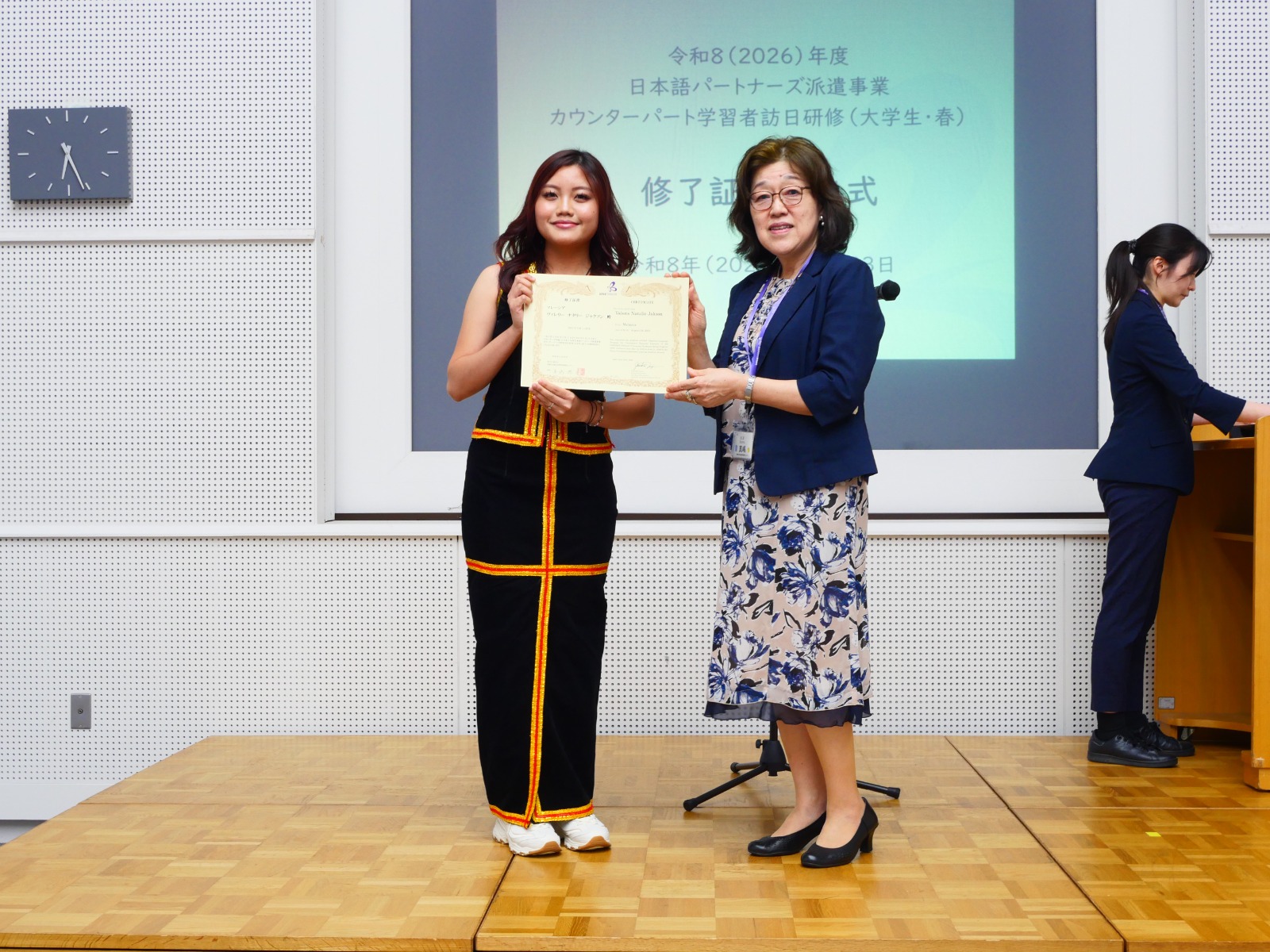
At the closing ceremony, Valerie and her peers received Certificates of Programme Completion, with directors, mentors, staff, and host families in attendance.
The programme concluded with a farewell party featuring performances, shared meals, and heartfelt conversations, leaving participants with lasting memories.
Overall, the programme was executed successfully, driven by the dedication of participants, mentors, staff, and host families.
Through its classes and hands-on experiences, participants are now equipped with valuable knowledge of the global community, capable of generating innovative ideas for sustainable efforts, and ready to communicate meaningful perspectives both at home and on international platforms.
Text & Photo: Valerie Natalie Jakson, School of Languages, Literacies and Translation (SoLLaT), USM/Editing: Mazlan Hanafi Basharudin